
Industry: automotive
Key Highlights
24%
Increase in first-time repair orders
18%
Increase in second-time repair orders
How Companies Win in Hard Times
These days, economic uncertainty is squeezing margins and customer loyalty only goes so far. The companies that continue to win in these conditions do one simple thing: they motivate the right actions, fast.
This is how Hyundai used Promotion Vault to increase first-time repair orders, boost second-visit follow-through, and add six-figure profit — without training customers to wait for discounts. The playbook is repeatable. The outcomes are measurable. And the next move is yours.
The Hyundai Case, Summarized (For Skimmers)
- Problem: Hyundai was losing service business to local shops. They needed more first-visit conversions and better follow-through on recommended maintenance.
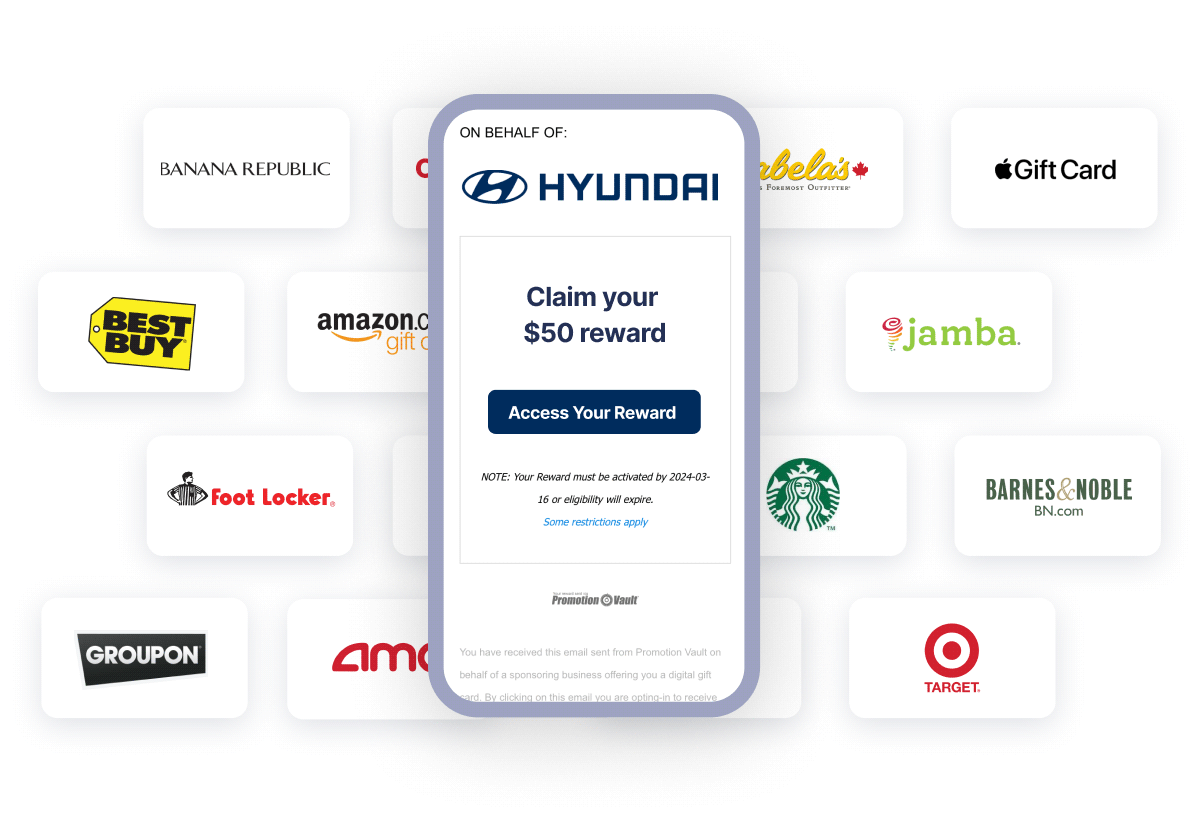
- Solution Offer $25 for first service check and $50 for second visit — instant digital rewards paid only on redemption. Average service value: $270.
- Outcome in six months: +24% first-time repair orders (+300 orders; +$81,000 profit) and +18% second-time repair orders (+570 orders; +$153,900 profit).
- Why it works: Motivation + Simplicity + Trust. You increase revenue and protect margins without training customers to wait for discounts.
Rewards Should Drive Behavior That Drives Profit
Hyundai faced a dilemma: They were losing service business to local shops. They needed more first-time check-ins and stronger follow-through on recommended maintenance — without eroding margins or lowering brand value, like discounts often do.
So they paired small, instant gift-card rewards with two high-leverage service milestones: the first vehicle check and the second service. The result? 24% more first-time repair orders and 18% more second-time orders, with $81,000 in added profit from first-time services and $153,900 in added profit from second-visit services in six months.
In a market where discounts are the default, Hyundai proves that instant rewards — paid only on redemption — can increase revenue, improve margin integrity, and rebuild loyalty with data.
That belief is our North Star. Promotion Vault exists to empower brands to drive real behavior change — so growth comes from actions that matter, not vanity metrics. We help you increase revenue, improve margins, and lift lifetime value with instant digital rewards you only pay for when they’re redeemed.
When rewards map to key moments in the customer lifecycle, you create momentum that compounds: more first-time conversions, more repeat visits, more upgrades, more referrals. No waste, more revenue.
Five Principles Hyundai Used To Turn Rewards Into Profit
Hyundai’s win wasn’t an accident. It came from five principles that any operator can adopt — fitness chains, franchises, membership businesses, and auto service alike. Each principle ties to proof you can see, measure, and replicate across acquisition, retention, and referrals.
1) Pay only for performance
- Principle: Eliminate waste. Tie spend to outcomes. With pay-on-redemption pricing, you only incur cost when a customer redeems the reward. Unclaimed incentives cost you nothing. Average redemption rates around ~60% make unit economics predictable and margin-friendly.
- Proof in action: Hyundai offered a $25 instant reward for the first service check and $50 for the second service. They paid only when customers redeemed, so spend aligned with revenue moments, not impressions.
Discounts hit your margin on every transaction. Pay-on-redemption rewards protect margin while increasing conversion rate.
2) Launch fast, with no IT lift
- Principle: Time kills momentum. A solution that takes weeks to implement misses the window.
- How it works: 10-minute, no-code setup with prebuilt integrations (e.g., ABC Fitness, HubSpot, Club OS, GymSales, Go High Level) reduces friction across marketing ops and service lanes.
- Proof in action: Hyundai’s program focused on clear service milestones. The simplicity of the triggers let teams start quickly, then iterate on messaging without IT sprints. (Prebuilt integrations are part of the Promotion Vault platform.)
Fast deployment means faster readouts. Faster readouts mean faster optimization — and earlier profit capture.
3) Use data to improve retention, not just reward redemption
- Principle: Every reward event is also a research moment.
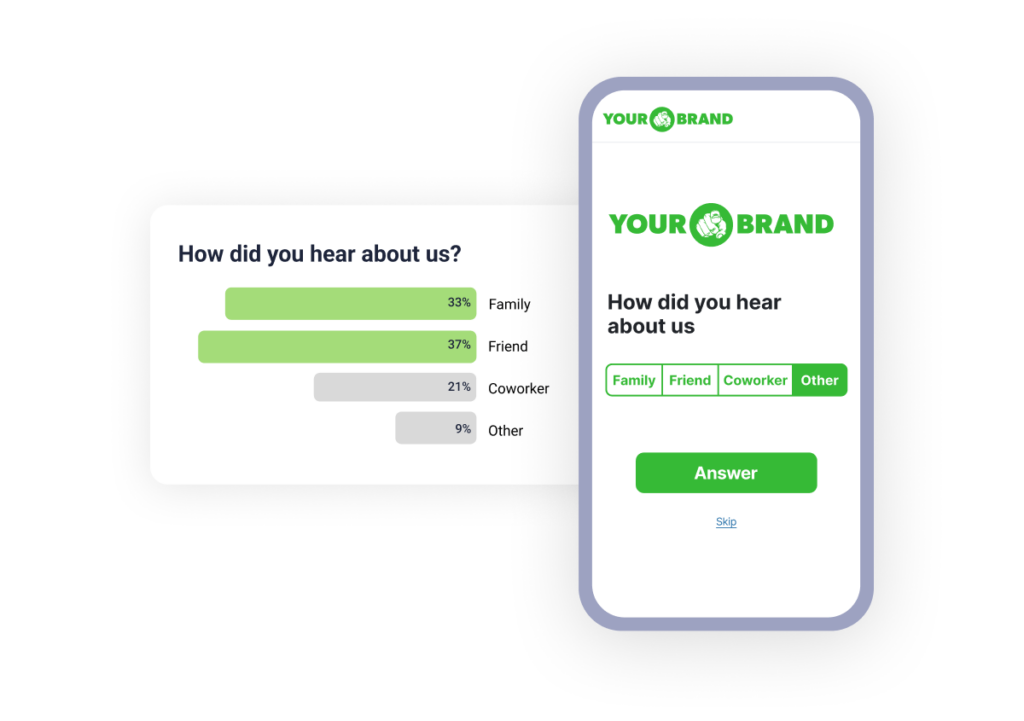
- How it works: Reward-triggered mini-surveys ride the dopamine peak of an instant reward. Response rates can hit up to 97%, feeding AI-assisted insights on upgrade intent, referral propensity, and service interest.
- Proof in action: Pairing Hyundai’s service rewards with quick feedback moments would identify who’s likely to schedule recommended maintenance, who’s primed for add-ons, and who might defect — so technicians can act.
Increasing your customer knowledge, while simultaneously increasing the impression you leave on them, reduces churn, boosts second-order revenue, and strengthens lifetime value.
4) Prove revenue impact with clean numbers
- Principle: If it doesn’t show up in revenue, it’s not working.
- Proof in action: Hyundai’s case study documents a 24% increase in first-time repair orders, generating 300 additional repair orders in six months and $81,000 in additional service profit. Second-time services increased by 570, producing $153,900 in additional profit — again in six months. Average service ticket: $270.
These are not vanity metrics. They’re measurable increases to gross profit, with their margin preserved.
5) Treat it as managed strategy, not just software
- Principle: Tools help. Strategy compounds.
- How it works: Promotion Vault’s fully managed lifecycle campaigns cover the arc: acquire, engage, refer, retain, re-engage. Operators get blueprint-level prescriptive plans, clear standards, and accountability.
- Proof in action: Hyundai’s campaign architecture — first visit, then second visit — demonstrated that simple, well-timed rewards outperform complex “earn-a-point” gimmicks. Keep the behavior small, the value clear, and the timing immediate.
You need to build a system, not a one-off promo. That’s how you grow revenue, improve retention, and increase profit margin long-term.
These five principles have one through-line: Simplicity and performance. When rewards map to the customer journey, you increase conversion where it counts — raising LTV and lowering CAC at the same time.
The Hyundai Playbook: Turning Missed Visits Into Opportunity
Here’s the blueprint Hyundai modeled, translated for any membership or service business.

Convert more first-time prospects to paying customers
Acquisition spend is wasted if your trial or first appointment doesn’t convert. A small instant reward at the right moment nudges action without gutting margin.
Capabilities to deploy:
- Behavior-triggered trial-to-member flows. Set a first-visit or first-service trigger. Deliver a $10–$25 instant reward for completing the check-in or the first paid service. Confirm via email/SMS with a branded landing page. (Hyundai used $25 for the first vehicle check.)
- Branded reward portal with clear next step. The moment a customer claims the reward, show a single CTA: “Schedule your next visit now.” Keep decision friction low; provide a few time slots.
- Mini-survey on claim. Ask one question: “Do you plan to complete [recommended maintenance] in the next 30 days?” Use up to 97% response rates to segment follow-ups and sales advisor outreach.
What to measure: First-to-second conversion rate, incremental revenue per first visit, cost per redeemed reward, and net profit per redeemed reward.
Expected lift: A meaningful increase in trial-to-paid rate and first-time repair orders. Hyundai recorded a 24% increase in first-time repair orders, 300 additional repair orders, and $81,000 profit in six months.
Increase repeat visits and follow-through on recommended services
The second visit is where trust becomes habit. It’s also where average order value — and margin — often expand.
Capabilities to deploy:
- Second-visit incentive with higher value. Hyundai paired the initial reward with a $50 second-visit incentive tied to recommended maintenance. This created a simple story: “Check in, then follow through.”
- Time-boxed scheduling nudges. Send two reminders in 14 days. Include the reward link and a direct scheduling button. Keep copy short. Make time slots visible in the message.
- Advisor playbook. Arm service or member success staff with a 30-second script: confirm the reward, confirm the service, confirm the time. Reduce cognitive load. Close the loop.
What to measure: Second-visit count, AOV, add-on acceptance, time-to-second visit, churn risk if no second visit.
Expected lift: Hyundai generated 570 more second-time services in six months, driving $153,900 in additional profit. That’s an 18% increase in second-time repair orders, with an average service ticket of $270.
Improve margins without training customers to expect discounts
Discounts are easy. They’re also expensive. Train on discounts and you tax every future sale. Incentivize key behaviors instead, and you improve margin while protecting brand standards.
Capabilities to deploy:
- Pay-on-redemption economics. Budget for redeemed rewards only. With ~60% average redemption, your effective cost per action is controlled, while your incremental revenue grows.
- Small, instant rewards over broad percent-off. A $25 reward on a $270 service is a small cost for a decisive nudge. A 10–15% discount loads every ticket with margin loss. Hyundai’s $25 / $50 structure provenly increased orders while adding profit.
- Outcome-first creative. State the action and value up front: “Complete your first check. Get $25 instantly.” Keep the CTA singular.
What to measure: Gross margin points, net revenue per redeemed reward, effective discount rate versus reward cost, and contribution profit.
Grow referrals without discounting
Referrals convert and retain at higher rates. But traditional “percent off” offers condition prospects to expect future discounts.
Capabilities to deploy:
- Always-on, double-sided referral programs. Reward the referrer and the new customer on redemption, not on click. Set a cap that keeps CAC efficient. Track referral-to-paid conversion.
- One-tap share flows. Email/SMS with prefilled text and a personal code. Keep it human. Avoid “points.” Make rewards instant on redemption.
What to measure: Referral share rate, referral-to-trial, trial-to-paid, CAC vs reward cost, and LTV of referred customers.
Reduce churn and increase upgrades
Retention is your cheapest revenue. Small, well-timed rewards at milestones change trajectories — especially for at-risk segments.
Capabilities to deploy:
- Milestone and engagement rewards. Celebrate habit-building events: 30-day streaks, 3-month check-ups, or completion of a recommended plan. Keep rewards small but instant.
- Customer IQ from mini-surveys. Ask short questions at claim: “Are you considering [upgrade/maintenance package]?” With very high response rates, route hot signals to your team the same day.
- Dormant-lead and winback campaigns. Fire a “we saved your spot” flow with a modest instant reward during clear intent windows (e.g., 30–60 days post-defection).
What to measure: Churn rate, time-to-reactivation, upgrade rate, and net revenue lift from each retention play.
Motivate and retain staff while improving service quality
Frontline teams drive the experience. Recognition and small, instant rewards increase engagement, lower turnover, and raise service consistency.
Capabilities to deploy:
- Employee IQ recognition and contests. Tie quick spot rewards to KPI behaviors: on-time follow-ups, five-star service calls, same-day scheduling. Make feedback a built-in loop, not an annual event.
- Milestone rewards. Recognize tenure and training completion. Keep signals public, rewards simple, and standards clear.
What to measure: Employee NPS, retention, schedule adherence, and conversion on advisor-handled opportunities.
Hyundai’s Numbers, De-risked and Repeatable
Let’s pressure test the economics so you can see the margin logic.
- Average ticket: $270. First-visit reward: $25. With pay-on-redemption, you only incur cost when a customer claims the reward, and only on the targeted behavior (e.g., first visit). A 10% discount, by contrast, reduces margin on every qualifying sale — including those that would have happened anyway.
- Second-visit reward: $50. Tied to recommended maintenance, it nudges higher-AOV work and strengthens trust. You incur cost only when the customer claims it on that second visit — targeted exposure, not a blanket margin hit across all sales.
- Program outcomes in six months: +300 first-time repair orders (+24%), +$81,000 profit; +570 second-time services (+18%), +$153,900 profit. These are real, incremental profit figures that can be tied directly to the use of instant rewards. They aren’t margin-eating discounts or vanity metrics.
In other words: When you use instant digital gift card rewards to turn user behavior into reliable, desirable actions, you increase your profit and protect brand value. The best part? Because it is all pay-for-performance, it easily scales.
Creative & Messaging: A Simple, High-Trust Narrative
Brand voice matters — especially when you’re asking customers to change behavior. Hyundai’s offer language was plain, specific, and action-first.
Message anatomy you can reuse:
- Lead with the outcome. “Complete your first service check.”
- Name the value. “Get a $25 instant reward.”
- Clarify timing. “Claim at checkout.”
- Push the next step. “Schedule your second service now and get $50 on completion.”
Short sentences. One CTA per message. Visual hierarchy: action → reward → time → next step. This creates simplicity and trust — things that drive response even in uncertain markets.
Operations: How To Launch In 10 Days (Or Less)
Speed matters. Here’s a prescriptive sprint you can run with your team.
Day 1: Choose the two most valuable, low-friction behaviors (e.g., first check-in, second visit, or upgrade). Define reward values that protect margin.
Day 2: Connect your CRM or POS. Use a prebuilt integration where available. Map triggers: “First service completed” and “Second service completed.”
Day 3: Write four messages (email/SMS) using the anatomy above. Keep copy under 60 words. Include a single scheduling CTA.
Day 4: Configure the branded reward portal. Add your logo, colors, and a short FAQ that explains “Instant digital gift card — delivered at checkout.”
Day 5: Build the mini-survey questions. One question per reward claim. Focus on intent: upgrade, referral, or timing.
Day 6–7: QA end-to-end: trigger → message → claim → survey → advisor alert → redeemed reward. Confirm pay-on-redemption behavior.
Day 8: Train frontline staff. Share a 30-second script and an escalation path for hot signals.
Day 9: Launch to a 20% customer segment. Collect results for 72 hours.
Day 10: Expand to all eligible customers. Turn on weekly readouts.
You’ve now shipped a winback and retention engine that increases conversion rate and improves margins — without discounting.
Measurement: The Five-Metric Dashboard
Track five metrics weekly to ensure nothing is falling through the cracks:
- Incremental first-time conversions (or first-time repair orders).
- Second-visit rate and time-to-second visit.
- Net revenue per redeemed reward (first and second visit separately).
- Effective discount rate vs reward cost.
- Churn/defection rate for non-responders.
Add two context metrics:
- Redemption rate. With average redemption around ~60%, you can back into reliable unit economics by segment.
- Survey response rate. Aim for >80%. With up to 97% possible on claim, your Customer IQ should get sharper every week.
Tie dashboard outcomes to weekly actions: scale what wins; prune what drags; test one variable at a time.
Risk, Rebuttals, and Realities
“Can’t I just run a discount?” You can. But you’ll teach customers to wait — and expect lower prices. Discounts tax every sale — claimed or not. Rewards only incur cost on redemption, aligning spend with revenue. Hyundai’s lift in repair orders and profit demonstrates the difference.
“What if people game the system?” Design triggers that require completion. Keep rewards modest. Pay on redemption. Survey on claim to spot anomalies early.
“Will this clutter our operations?” Not if you keep it simple. Target two behaviors with one trigger for each. One message per step. One CTA. 10-minute, no-code setup means ops stays lean while revenue scales.
“Is this only for auto?” No. Fitness, franchises, and subscription businesses face the same pressures: increase sales, reduce churn, grow revenue, improve conversion rate. The playbook transfers one-to-one.
Your Three-Step Plan This Week
Here’s a quick and easy plan you can execute this week:
- Pick the two behaviors that most increase profit: first conversion and second follow-through.
- Set instant rewards at values that protect margin and motivate action. Pay only on redemption.
- Launch in 10 minutes with a no-code integration. Add mini-surveys to sharpen Customer IQ and reduce churn over time.
Review the numbers weekly and keep the playbook simple.
Profit Loves Speed
Hyundai’s result wasn’t magic. It was management. A direct strategy executed with clean incentives, clear timing, and measurable standards. In a market full of noise, instant rewards cut through. They increase revenue, improve margins, and grow profit — without mortgaging your brand identity for a percent-off.
If you need to increase sales now and protect margin long-term, this is the fastest path with the lowest operational risk. You’ve seen the numbers. You’ve got the blueprint.
The next step is decisive:
Book a demo. We’ll map your two most valuable behaviors, launch a test in days, and put a revenue readout on your calendar.
FAQ: Using instant rewards to boost profit
Strategy & Outcomes
Q: What problem was Hyundai trying to solve?
A: They were losing service business to local shops and needed more first-visit conversions and better follow-through on recommended maintenance — without discounting away margin.
Q: What did they offer, exactly?
A: $25 instant reward for the first service check and $50 for the second visit. Rewards were paid only when redeemed.
Q: What results did they get?
A: In six months: +24% first-time repair orders (+300 orders; +$81,000 profit) and +18% second-time repair orders (+570 orders; +$153,900 profit). Average service ticket was $270.
Q: Why does this approach work?
A: Motivation + Simplicity + Trust. Small, instant rewards create clear action triggers without training customers to wait for discounts.
Economics & Margin Protection
Q: How do rewards compare to discounts on cost/margin?
A: Discounts reduce margin on every qualifying sale (including those that would have happened anyway). Pay-on-redemption rewards incur cost only when a target behavior is completed and the reward is claimed.
Q: What’s the typical redemption rate?
A: Around ~60% on average, which makes unit economics predictable and margin-friendly.
Q: What’s the “effective discount” of a $25 reward on a $270 ticket?
A: Under 10%, and only on redeemed events — vs. a 10–15% discount that taxes every ticket.
Implementation & Operations
Q: How fast can we launch?
A: 10-minute, no-code setup with prebuilt integrations; a practical launch sprint can be done in ≤10 days (map triggers, write 4 messages, configure portal, add mini-surveys, QA, train staff, soft-launch, then scale).
Q: Do we need engineering resources?
A: Minimal to none. Triggers like “First service completed” and “Second service completed” connect through CRM/POS integrations (e.g., ABC Fitness, HubSpot, Club OS, GymSales, Go High Level).
Q: Will this clutter frontline workflows?
A: No — keep it to two behaviors, one trigger each, one short message with one CTA. Provide a 30-second advisor script to confirm reward, service, and time.
Data, Surveys & Optimization
Q: How do we capture insights, not just redemptions?
A: Reward-triggered mini-surveys ride the dopamine peak of claiming a reward; response rates can reach up to 97%, fueling AI-assisted signals on upgrade intent, referrals, and churn risk.
Q: What should we measure weekly?
A:
- Incremental first-time conversions (or first-time ROs)
- Second-visit rate + time-to-second visit
- Net revenue per redeemed reward (by visit)
- Effective discount rate vs. reward cost
- Churn/defection for non-responders
Context: Redemption rate (~60%) and survey response rate (aim >80%).
Program Design
Q: What are the five principles behind this playbook?
A:
- Pay only for performance (cost on redemption)
- Launch fast, no IT lift (10-minute setup + prebuilt integrations)
- Use data to improve retention (mini-surveys at claim)
- Prove revenue impact (tie to repair orders and profit, not vanity metrics)
- Treat it as managed strategy (lifecycle campaigns: acquire → engage → refer → retain → re-engage)
Q: How should offers be messaged?
A: Use plain, action-first copy: Outcome → Reward → Timing → Next step.
Example: “Complete your first service check. Get a $25 instant reward. Claim at checkout. Schedule your second service now and get $50 on completion.”
Q: What specific flows drove Hyundai’s lift?
A: A first-visit reward to convert trial/first check-in, then a second-visit reward tied to recommended maintenance — plus time-boxed reminders and a scheduling CTA on the reward portal.
Risk, Controls & Edge Cases
Q: Won’t people game the system?
A: Require completion-based triggers, keep rewards modest, pay on redemption, and add a one-question claim survey to surface anomalies early.
Q: What if we’d rather just discount?
A: You can… But you’ll train customers to wait, and you’ll tax every future sale. Hyundai’s numbers show rewards aligned to behaviors increase orders and protect margin.
Q: Is this limited to auto service?
A: No. The same framework applies to fitness chains, franchises, memberships, subscriptions, and other service models facing conversion, follow-through, and churn challenges.
Expansion & Team Impact
Q: Can we use this for referrals without cutting price?
A: Yes! Run always-on, double-sided referral rewards paid on redemption, with CAC caps and tracking for referral-to-paid conversion and LTV.
Q: Can this help retention and upgrades?
A: Yes! Deploy small, instant rewards at milestones (30-day streaks, 3-month check-ups, plan completions) and route high-intent survey signals to advisors the same day.
Q: What about staff motivation and consistency?
A: Tie quick, instant employee recognition to KPI behaviors (on-time follow-ups, 5-star calls, same-day scheduling); track employee NPS, retention, and conversion on advisor-handled opportunities.
Getting Started
Q: What are the three steps to start this week?
A:
- Pick the two behaviors that most increase profit (first conversion, second follow-through).
- Set instant rewards at margin-safe values and pay only on redemption.
- Launch with a no-code integration; add mini-surveys to sharpen Customer IQ.